
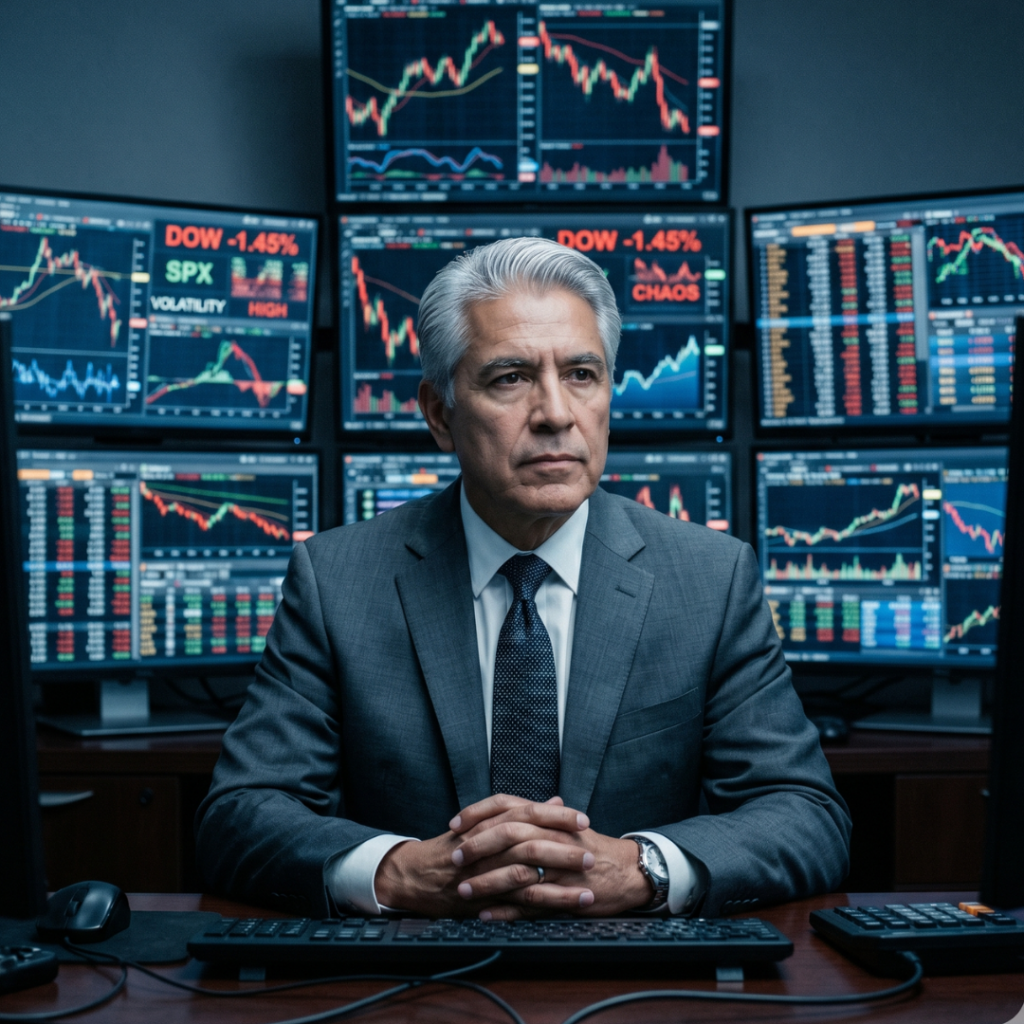
Market volatility is not just noise—it is a test of structure. Top professionals who rely solely on market timing often experience unnecessary erosion of principal and emotional decision-making under pressure. The objective is not to predict markets, but to remain positioned regardless of their direction.
For example, an executive nearing retirement shifted a portion of assets into a more stable liquidity-focused strategy during a downturn, avoiding a significant drawdown and preserving capital for future deployment when valuations improved.
In uncertain markets, true advantage comes from protecting principal, maintaining liquidity, and ensuring long-term stability while others react to short-term fluctuations.